
Why education about leather is crucial for brands
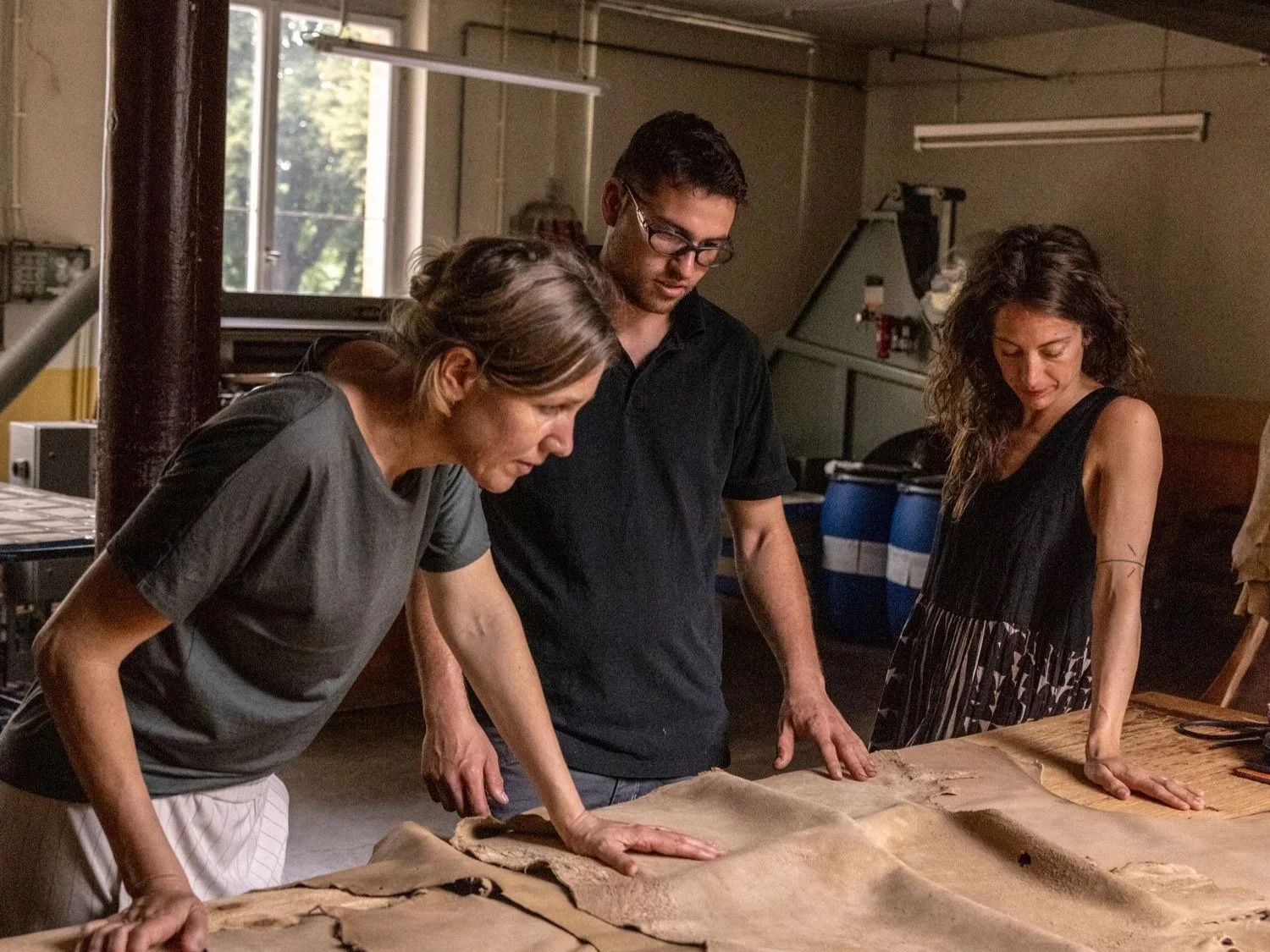
A lot has changed in recent years when it comes to leather. Sustainability is no longer a "nice-to-have", but a clear expectation of brands. At the same time, there are numerous myths and half-knowledge about where leather comes from, how it is produced and what responsibility brands bear in the process.
The more often we talk to customers, brands or interested parties, the clearer it becomes: Education is not a side note - it is a central part of responsible product development.
As the CORII team, we work every day to create transparent supply chains. But we quickly realized that choosing sustainable materials alone is not enough. Education is just as important as the product itself.
Why leather education is so important
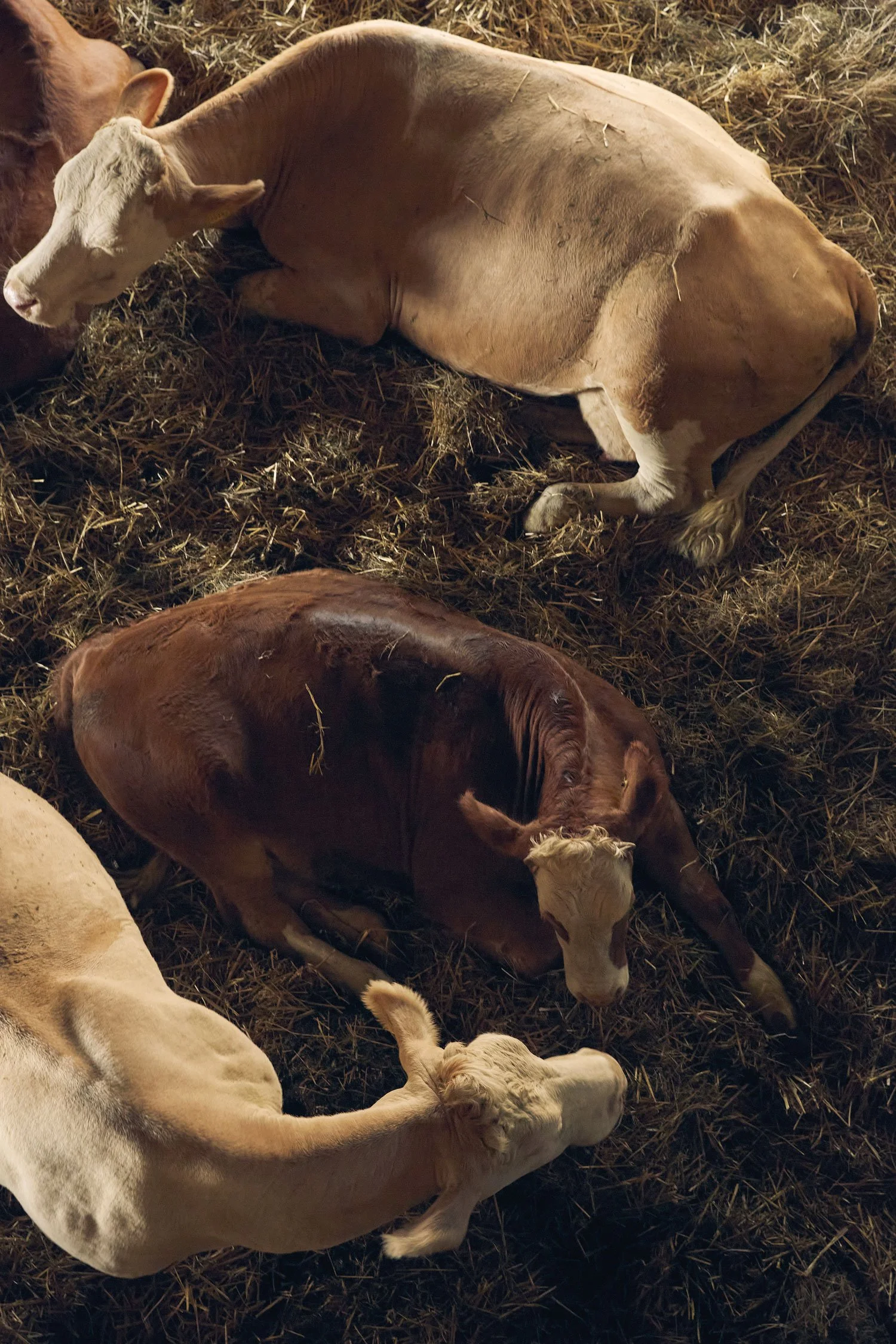
Many people still believe that animals are killed specifically for their leather. But this is wrong. Leather is a by-product of the meat industry. The animal skin is produced anyway, regardless of whether it is turned into leather or not. Using this by-product sensibly instead of disposing of it not only conserves resources but also makes ecological sense.
Nevertheless, experience shows that if brands do not clearly communicate this connection, there is room for speculation and therefore uncertainty among consumers.
That is why it is important,
to show transparently where the leather comes from,
how it was processed,
and who was involved along the supply chain.
This is the only way to create trust - and real sustainability becomes visible.
Why brands need to know where their leather comes from
Sustainability has become a real game-changer. Customers are asking questions, wanting to understand the story behind things, and expect clear answers.
What this means for brands:
Supply chains need to be traceable.
Materials need to have a story you can tell.
Communication needs to be accurate, easy to understand, and honest.
If you don't know how your leather is made, you can't stand behind it with conviction.
And if you can't communicate that, you miss the chance to show what you value.
Leading by example: Wildling Shoes – deer leather with a transparent origin
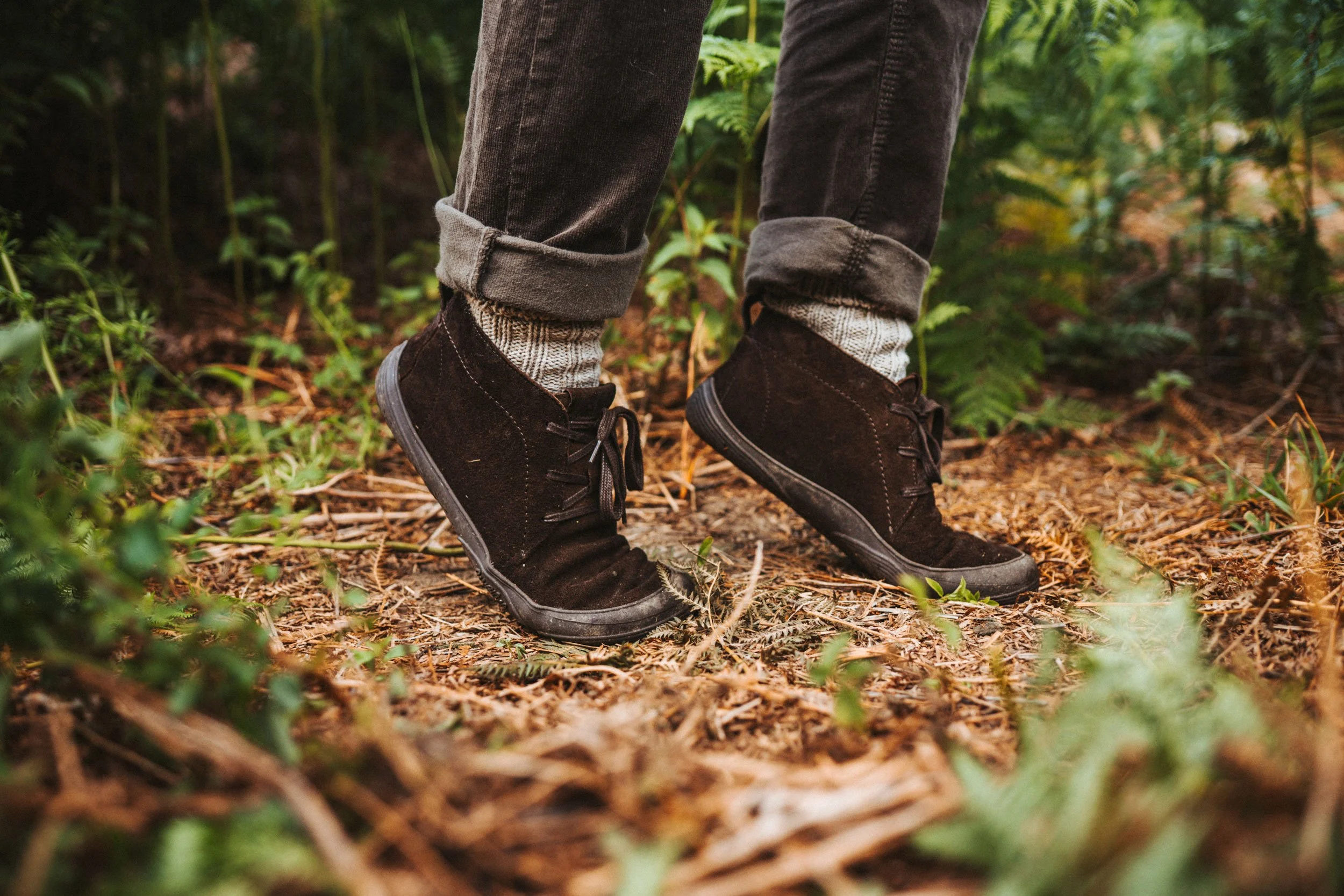
One project that really shaped us was our collaboration with Wildling Shoes. For their first Wildling shoe made of deerskin, Nina Conrad – project manager at Regionales Leder – had a regional, vegetable-tanned suede leather developed.
To launch the brand, we did an in-depth live video, answered questions from the community, and showed exactly how the material was made. It quickly became clear during the conversation just how much misinformation there still is about Leather.
From 'Animals die for leather' to 'The leather industry is the dirtiest industry in the world' – the range of opinions was wide. But these moments are valuable because they highlight the importance of education. And they show the difference brands can make when they share knowledge.
What we've learned: Sustainability doesn't stop at the material itself.
We don't just produce Leather – we also produce know-how! Our work doesn't stop when the Leather leaves the tannery. We support brands by:
materials correctly,
Dispelling myths,
Communication should be transparent and precise.
After all, a sustainable product is only credible if its story is told clearly and honestly.
If your brand works with leather - or is thinking about it - we are happy to support you:
in establishing transparent supply chains;
when choosing materials;
in communication;
when educating your community.
CORII stands for genuine transparency—from raw materials to message.
Let's work together to ensure that leather is properly understood again.