
We're celebrating: OEKO-TEX® LEATHER STANDARD certification is finally here!
It's official! Our black and undyed cow leather is now certified according to OEKO-TEX® Leather Standard – Product Class I, the baby class. For us, this isn't just a label. It's proof that our leather products are free from substances that could harm your health. We're talking consistent, measurable, and independently tested quality.
But what does the Leather Standard actually mean? How does the testing work, what substances are they focusing on – and what can small brands who buy or sell leather products learn from it? In this blog, we'll answer the most important questions and give you insights into why this certification is a real milestone for us.
Finished leather tested for harmful substances
The Leather Standard checks the finished material, not the processes, the factories, or the tannery. What matters is whether a leather meets certain limits. The tests include:
Chrome and other heavy metals
Biocides and Preservatives
Plasticizers
Dyes and dye residues
Solvents
Many of these substances are strictly limited or completely prohibited. Even if certain substances are only present in small amounts, the test ensures that the entire manufacturing process is clean and harmless.
Leather that meets these criteria is considered harmless from a human ecological perspective. Not because it was produced in a particularly sustainable way, but because it's free from substances that are ultimately relevant to the person wearing it.
Plus, passing an OEKO-TEX test also tells you something about the tannery's responsible choice of chemicals and process control. While it doesn't directly test for sustainability, the certificate shows that the tannery handles chemicals consciously, cleanly, and in a controlled manner, selecting them according to the highest standards.
Who tests – and how?
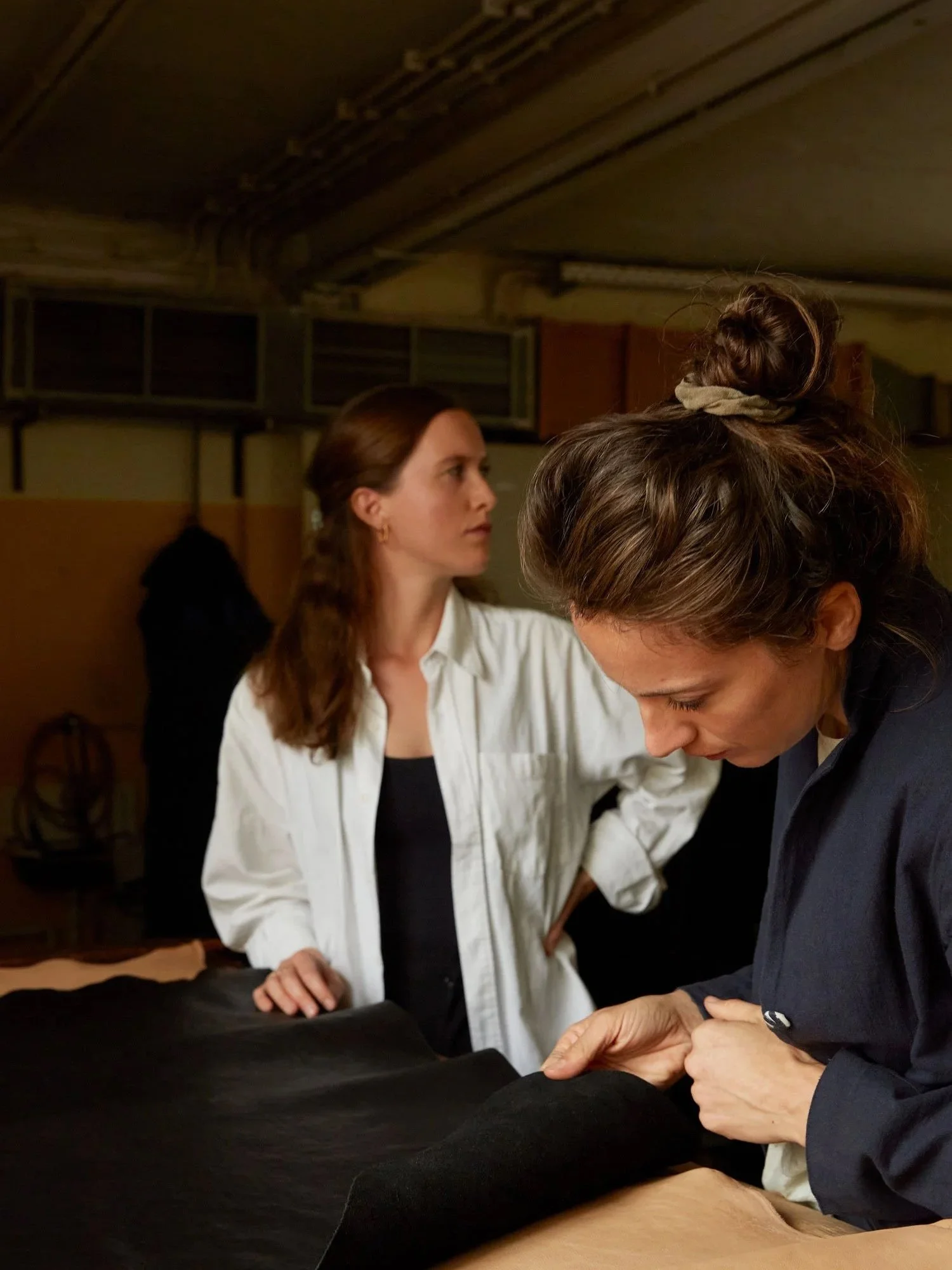
We get our leather tested in independent labs. In Switzerland, TESTEX in Zurich is the go-to OEKO-TEX institute. They put material samples through rigorous, neutral testing based on official criteria. About a year and a half ago, TESTEX reached out to see if we wanted to participate in a pilot project. It was a surprising request – and one we normally wouldn’t have been able to afford, as certifications are often just too expensive for small businesses.
So, you can imagine how thrilled we were last week when we got the results: Our black and undyed cow leather have been certified according to OEKO-TEX® Leather Standard – Product Class I, the baby class!
For us, it's more than just a label. It's confirmation of what we've been pursuing for years: leather without toxic chemicals, responsibly produced and consistently clean in its composition. And it's reassuring to know that an independent laboratory has now confirmed this.
What small brands should know right now
For big manufacturers, certifications are often routine. But for smaller businesses, it's a different story: limited resources, not much influence on tanneries, high costs, and not a lot of chemical expertise. Plus, while the Leather Standard is well-known in the industry, it's not a given.
That's precisely what makes it a valuable tool. Not as a marketing seal, but as a means of control:
What's really in the leather I'm buying?
Does it meet the standards that will be increasingly required in the future?
A step towards greater safety
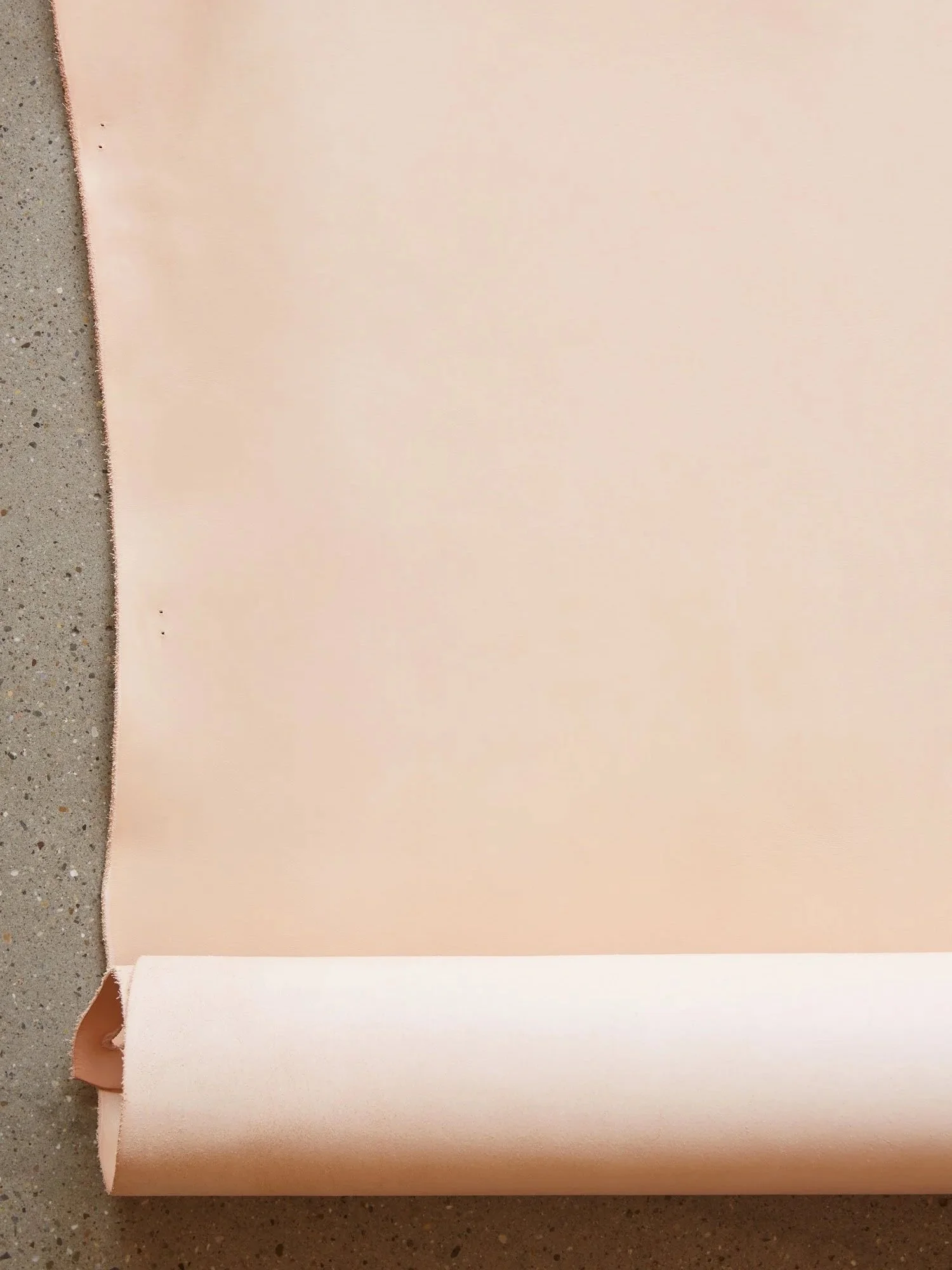
We see the Leather Standard not as an obligation, but as an opportunity. A chance to eliminate material risks, create transparency, and make decisions in the future on a well-founded, measurable basis.
If you're keen to learn how your brand can source pollutant-free, OEKO-TEX certified leather products, and what steps are crucial for understanding your supply chain and minimizing material risks, we're here to help! Together, we'll check the leather, map out the supply chain, and plan the next steps to make your material sourcing safer, more transparent, and future-proof in the long run. And of course, you can directly purchase our certified black or undyed cow leather.